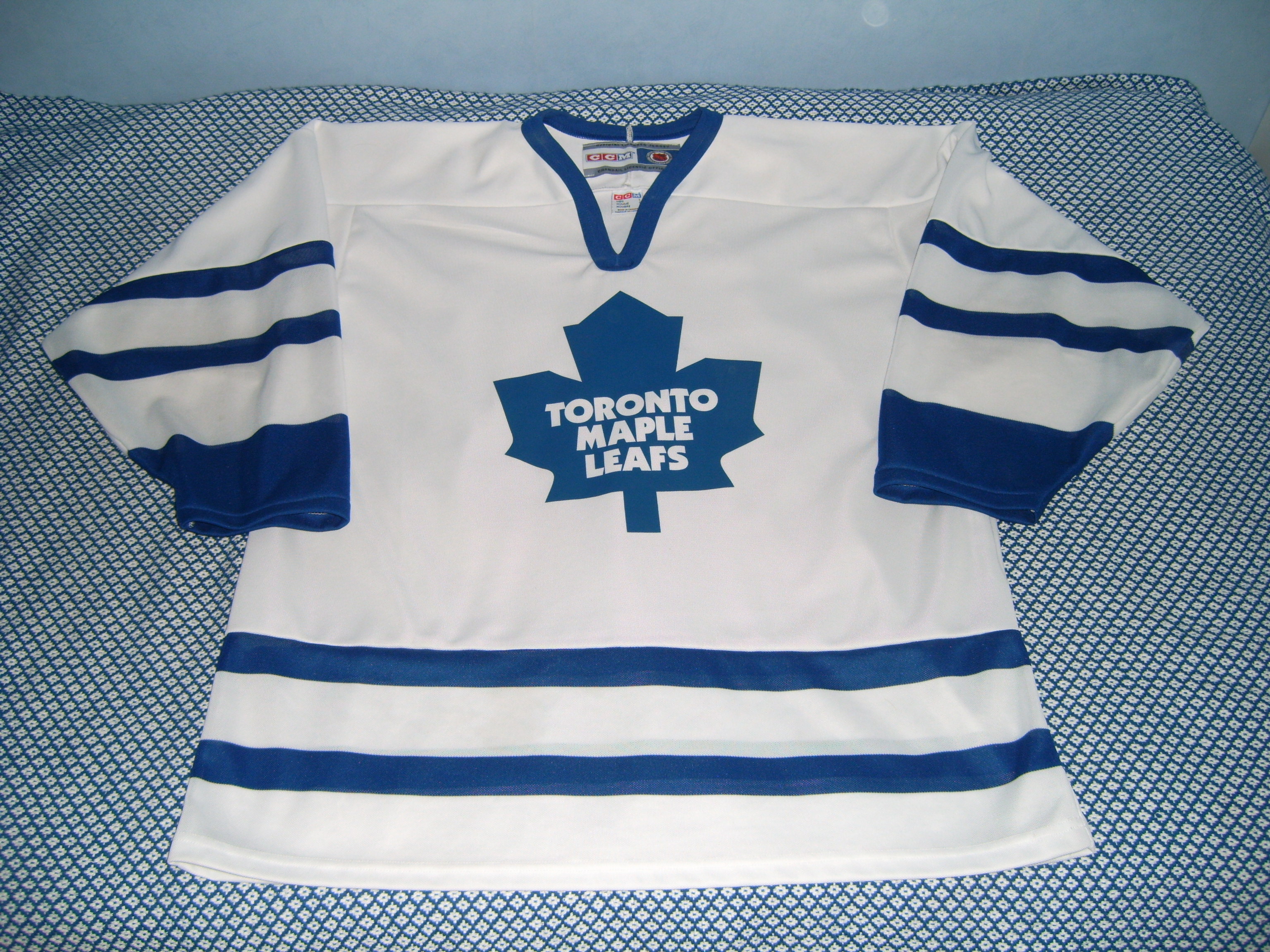
Photo: Bobolink, Flickr (BY-2.0)
Leafs Fire Brad Treliving as a Lost Season Triggers a Front-Office Reset
Table of Contents
The axe falls in Anaheim
The Leafs fire Brad Treliving on March 30, 2026, ending his run as general manager late in a third season that had already gone off a cliff. The timing was pointed — MLSE president Keith Pelley announced the change on Monday night, hours before the Leafs played in Anaheim, with the team staring down its first missed playoffs since 2015-16. A franchise that had spent nearly a decade adding at every deadline had become a seller, and the man who built the roster paid for it before the season was even over.
Pelley did not dress it up as a one-year reaction. "Throughout the course of this season, there has been deep analysis into both the current state of the Maple Leafs organization and the direction needed to achieve the ultimate goal of delivering a Stanley Cup championship to the city," he said. Translated: this was not a snap decision born of a bad March. It was a verdict on where the whole operation had drifted.
A season that left no defence
By the time Treliving was let go, the Leafs were on their way to a fifth-last finish in the NHL. The nine-year playoff streak — one that had outlasted multiple coaches and half a roster — was about to snap. The deadline a few weeks earlier had been the tell: Toronto subtracted instead of added for the first time in living memory, moving out depth pieces for picks rather than chasing one more spring. We walked through the full unravelling, from the July trade to the deadline sell-off, in our 2025-26 season recap.
To his credit, Treliving did not hide from it. He said the blame for the lost season started with him — the GM's line, and one he appeared to mean. The players echoed the sentiment from the other direction. Morgan Rielly, ever the veteran, called it "a business based on results." Matthew Knies put it more bluntly: "when we're not performing it starts from the top." When the room is already talking about accountability flowing downward from management, the GM is rarely long for the job.
The case against Treliving's three years
The core never broke through
Treliving inherited an expensive, talented, playoff-tested group and was hired in 2023 to push it over the line. He never did. The Leafs remained a regular-season machine that could not turn the corner in the spring, and the 2025-26 collapse was the first time the floor gave out entirely. Three years in, the central promise of his tenure — that a roster tweak and a culture change would unlock a deep run — had not been kept.
The Marner exit defined his summer
The most consequential move of Treliving's final year was letting a 102-point Mitch Marner leave in a July sign-and-trade to Vegas, then spreading the savings across Matias Maccelli, Dakota Joshua and Nicolas Roy. The logic — more balance, less top-heaviness — was defensible. The result was a visibly weaker roster that, once Auston Matthews got hurt, had no floor. That single decision became the thread critics pulled on hardest, because it was the bet that the season was built around and the bet that failed.
The deadline confirmed the diagnosis
Selling at the deadline was, in isolation, the correct read of a lost season. But for a GM in his third year with no playoff runs to show for it, becoming a seller was also an admission that the plan had not worked. You do not subtract from a contender. The fact that the 2025-26 Leafs could be subtracted from told ownership everything it needed to know about how far the project had fallen short.
Why ownership moved before the season ended
Firing a GM in late March, with games still on the schedule, is unusual. It is also a signal. MLSE did not want to spend the offseason explaining why it was keeping Treliving; it wanted a running start on the reset. By acting before the season expired, ownership gave itself a head start on the search for new leadership and made clear to the fan base that the status quo was over. Pelley's reference to "deep analysis" all season long suggests the decision had been forming for weeks, not days.
There was also a roster-management reality. Major decisions loomed — the draft lottery, the futures of the Marner-money signings, a slate of contract calls — and ownership wanted those made by whoever would live with the consequences, not by a lame-duck GM. You can see the same names and term commitments Treliving leaves behind on the contracts page, and they will shape the new regime's options for years.
What Treliving leaves behind
It is not all wreckage. Treliving did real work on the back end and the goaltending depth, and the cap sheet he hands off is not the disaster the standings might imply. The core — Matthews, Nylander, Knies, Rielly, Tavares — remains intact and signed. Nylander's deal runs through 2032 and now looks like a foundational contract rather than an overpay. The team that missed the playoffs is, substantially, the team a new GM will start with, which is both the problem and the opportunity.
The cleaner legacy is the deadline pivot. By finally reading the scoreboard and selling, Treliving left his successor a small stockpile of picks and a clearer runway than the franchise had given itself in years. It was, in a sense, his most honest piece of management — and it came too late to save his job.
The reset this set in motion
Treliving's firing was not an isolated move; it was the first domino in a full front-office teardown. Ownership spent the following weeks conducting what it described as deep due diligence before landing on its new leadership group in early May: John Chayka as general manager and franchise icon Mats Sundin as senior executive adviser of hockey operations. The choice of Chayka — the youngest GM in NHL history when he took over Arizona in 2016, and a process-and-analytics evangelist — signalled a deliberate break from the traditional team-building Treliving represented. We covered that hire and what it means in our piece on the Chayka and Sundin hockey-ops overhaul.
From there the dominoes kept falling. Chayka fired head coach Craig Berube on May 13, then began rebuilding the hockey-operations department in his own image. The thread connecting all of it runs back to March 30. Firing Treliving was the decision that gave ownership permission to change everything else.
The honest verdict
Treliving was not a bad general manager, and the Leafs were not a bad team for most of his tenure. But "not bad" is not the standard in Toronto, and three years without a meaningful playoff breakthrough — capped by a season that ended in a sell-off and a missed postseason — is a firing-level outcome anywhere, let alone in the most demanding market in hockey. He took the blame publicly because the blame, in the end, did land with him. The roster was his. The Marner decision was his. The plan was his, and it did not work.
What he could not control was the timing of the reset around him. New ownership leadership wanted its own people, its own philosophy, and a clean break from the previous decade. Treliving was the bridge between the Dubas era and whatever comes next, and bridges get crossed and left behind. His firing was earned by results and accelerated by a front office that had simply decided to start over.
What's next
The Treliving firing opened the most consequential offseason the Leafs have run in years. Chayka and Sundin inherited a high draft pick, a healthy Matthews returning from injury, a slate of contract decisions and a fan base demanding more than another regular-season banner. The new regime moved quickly — a coaching change, a remade hockey-operations staff and a clear analytical mandate — but the hard part is still ahead. The roster that missed the playoffs is largely the roster they have to fix, and the bar is no longer a deep run. It is a championship, the standard Pelley named the night Treliving was let go. Everything that follows traces back to that Monday in March.
Frequently Asked Questions
When did the Leafs fire Brad Treliving?
The Toronto Maple Leafs fired general manager Brad Treliving on March 30, 2026, late in his third season. MLSE president Keith Pelley announced the move on a Monday night, hours before Toronto played in Anaheim.
Why did the Leafs fire Brad Treliving?
Toronto was heading for its first missed playoffs since 2015-16 and had become a seller at the trade deadline. After three seasons without a meaningful playoff breakthrough, ownership opted for a full front-office reset rather than a fourth year under Treliving.
What did Brad Treliving say about the lost season?
Treliving said the blame for the season started with him. Players echoed the theme from their side — Morgan Rielly called it 'a business based on results,' and Matthew Knies said 'when we're not performing it starts from the top.'
How long was Brad Treliving the Leafs GM?
Treliving was hired in 2023 and fired late in his third season, on March 30, 2026. He inherited an expensive, playoff-tested core from the Kyle Dubas era but never produced a deep postseason run.
Who replaced Brad Treliving as Leafs general manager?
After weeks of due diligence, the Leafs hired John Chayka as general manager and franchise legend Mats Sundin as senior executive adviser of hockey operations in early May 2026. Chayka was the youngest GM in NHL history when he took over Arizona in 2016.
What did the Treliving firing trigger?
A full front-office reset. It led to the Chayka and Sundin hires in early May, the firing of head coach Craig Berube on May 13, and a rebuild of the hockey-operations department. Treliving's dismissal was the first domino in the overhaul.
Did Treliving leave the Leafs in good shape?
Mixed. The core of Matthews, Nylander, Knies, Rielly and Tavares remains signed, and the cap sheet is more workable than the standings suggest. His late-season decision to sell at the deadline also left the next GM extra draft capital and a clearer runway.